
-
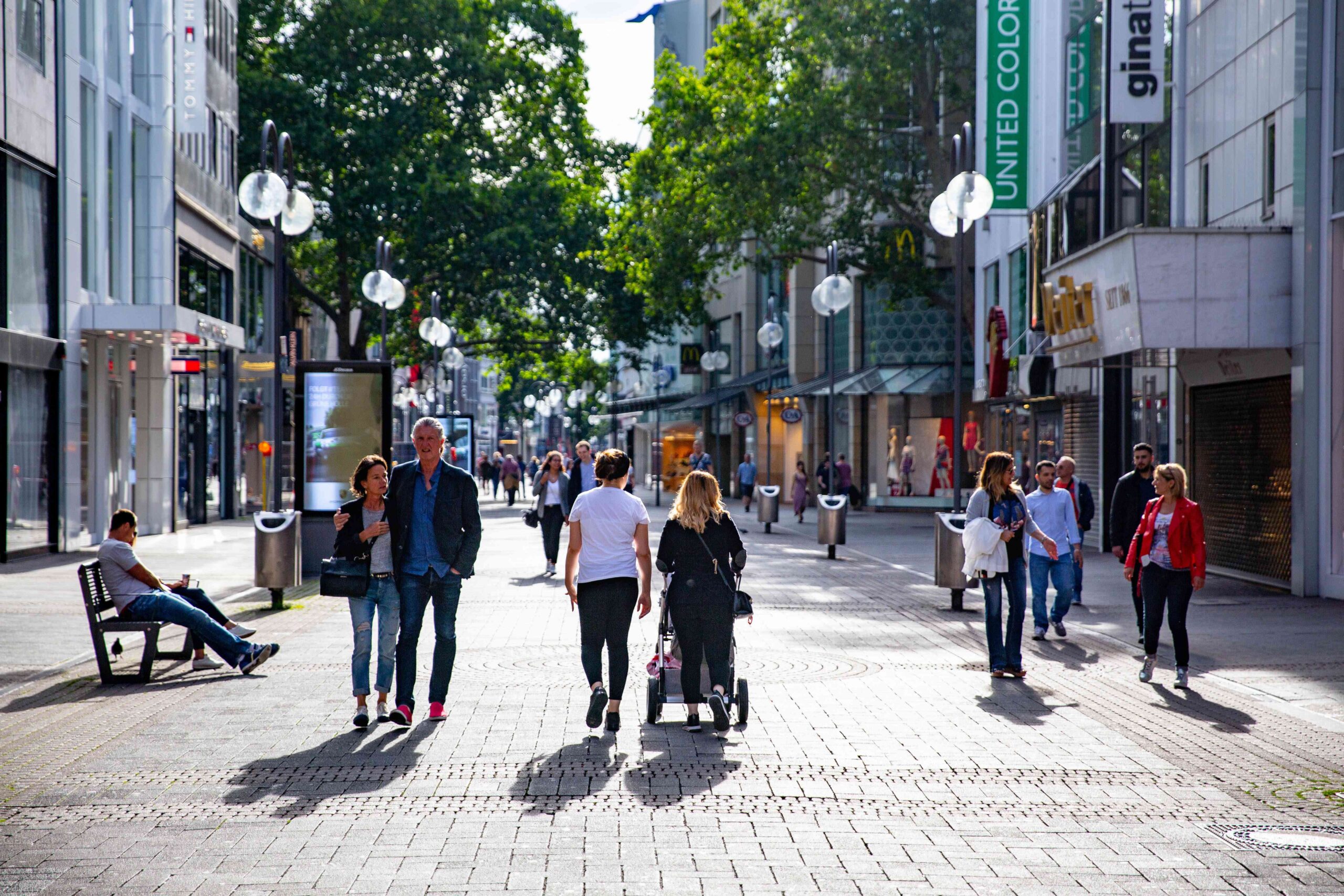
Local businesses are the backbone of vibrant city centers — yet they often struggle to be visible without competing in an advertising-driven system. Municipalities face a dilemma. They want to support local commerce, but without turning public space into an ad platform. There is another way. Context-aware guidance allows cities to surface local shops, cafés,…
-

Maps tell you where things are.Experiences tell you what matters right now. For decades, maps have been the default solution for navigating complexity — indoors and outdoors alike. But maps assume that people know what they’re looking for. Increasingly, they don’t. Visitors want suggestions, not coordinates.They want relevance, not completeness. Context-aware experiences shift the focus from…
-
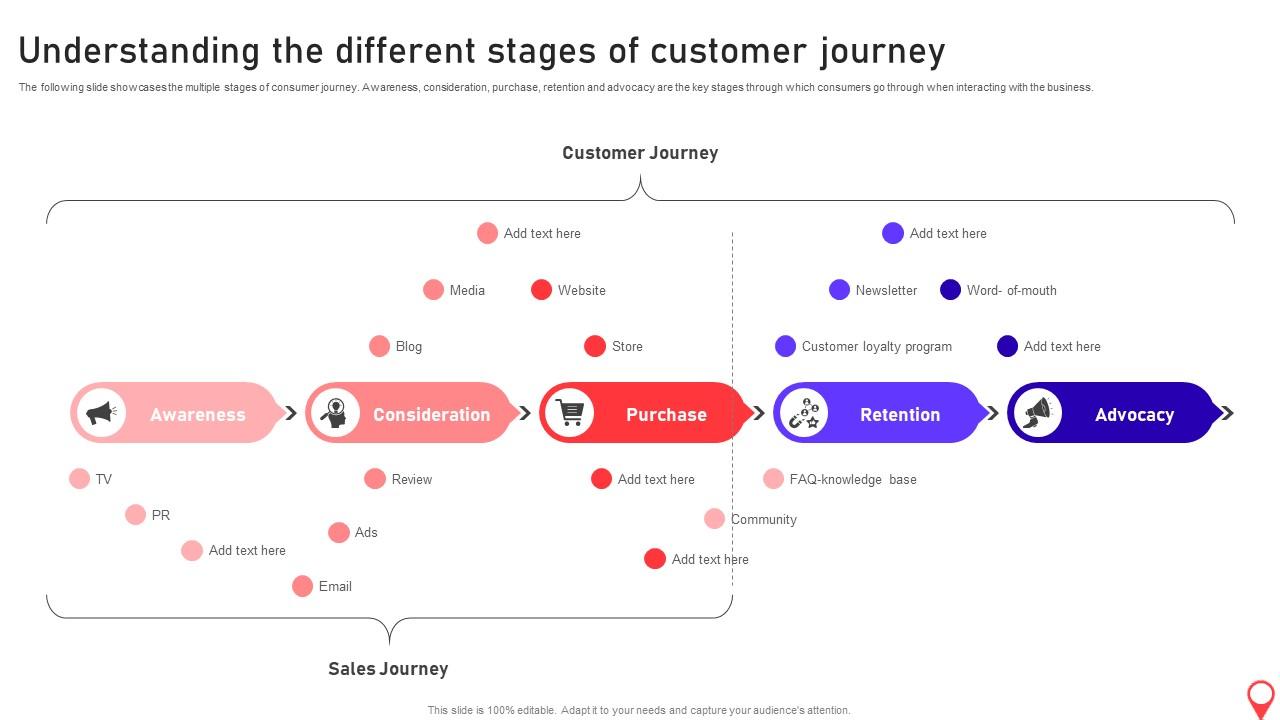
In retail and large venues, competition is no longer just about price or assortment. It’s about how easy it is to decide, move, and discover. Customers today expect clarity. They want to know where to go, what to choose, and what’s relevant — without effort. When environments are confusing, people hesitate, wander, or leave. Wayfinding used…
-
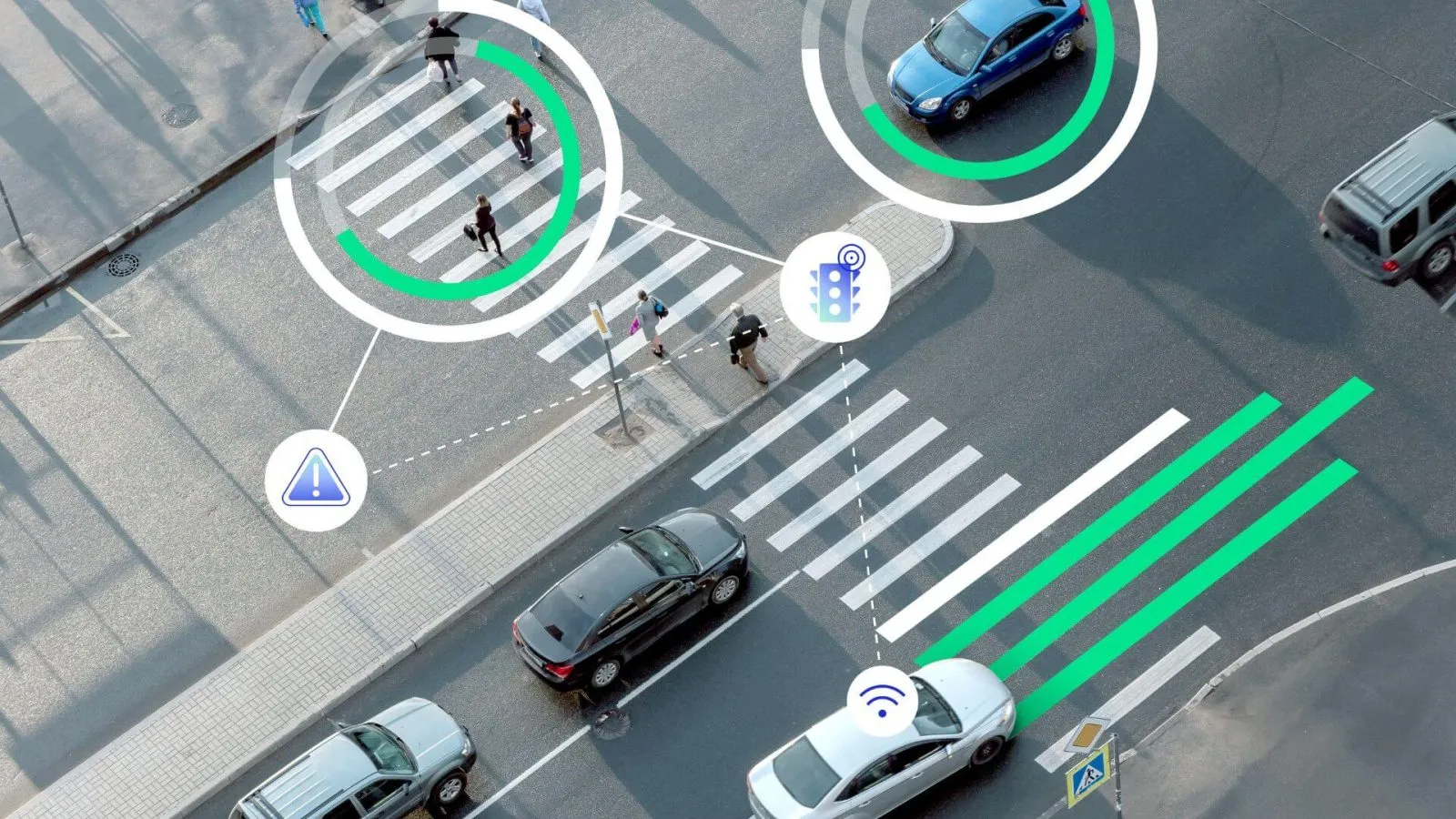
Most technology in physical environments is visible: screens, kiosks, signs, interfaces. A Smart Layer is different — because you rarely notice it. A Smart Layer is an intelligent, invisible system that connects movement, context, and content across physical spaces. It doesn’t replace the environment — it enhances it. By understanding patterns such as where people go, how…
-
Many smart city initiatives start with good intentions — and end with another app no one uses. Citizens and visitors already carry powerful technology in their pockets. What’s missing is not access, but coordination and relevance. Instead of fragmented solutions, cities need shared digital infrastructure that works across environments, stakeholders, and use cases. Infrastructure that supports…
-

For years, digital transformation of physical spaces has focused on adding more screens, apps, and interfaces. But in reality, complexity doesn’t disappear when you add more information — it increases. What people actually need in complex environments is not more choices, but clear, relevant guidance in the right moment. Personalization has long been standard online. We…